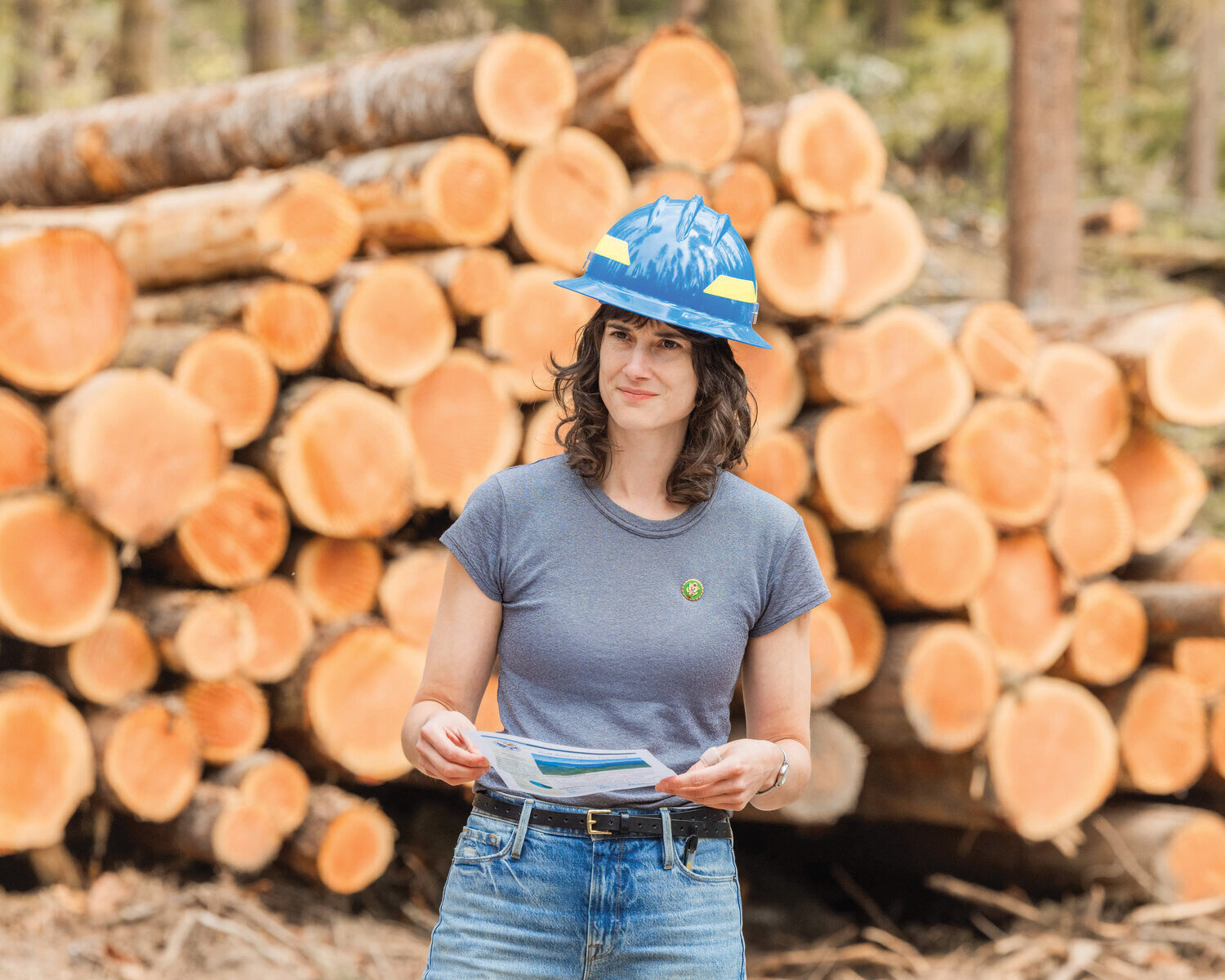
U.S. Rep. Marie Gluesenkamp Perez, D-Skamania, and Rep. David Rouzer, R-North Carolina, recently introduced the bipartisan Jobs in the Woods Act, which aims to connect young people with careers and training in forestry, according to a news release from Gluesenkamp Perez.
The bill would create a grant program for nonprofit organizations, state governments and colleges to utilize for workforce training in forestry-related fields.
With most of the forest manufacturing industry located in rural areas, the bill would give individuals the opportunity to learn skills that can serve them and their communities, the release stated.
The Jobs in the Woods Act would:
• Create education programs for states, nonprofits and colleges through grants of $500,000 to $2,000,000
• Create programs in rural and low-income areas to spur economic development
• Create a pool of trained applicants to fill job openings in forestry-related industries
• Partner with programs that have proven to help students find forestry industry jobs and programs that engage with their local communities
“Our timber communities want to be self-sufficient, and our kids shouldn’t feel like they need to move away from home to do something of value,” Gluesenkamp Perez said. “Our bipartisan Jobs in the Woods Act will honor Southwest Washington’s timber heritage by setting our next generation up with the skills they need to work in our woods.”
This year, Gluesenkamp Perez urged the Trump administration to refrain from cuts to federal workers that could negatively impact timber production, wildfire readiness and recreation in Southwest Washington, according to the release. Following the president’s executive order to increase domestic lumber production on federal lands, Gluesenkamp Perez expressed support for an approach that prioritizes small, independent logging, trucking and mill operators.
Full text of the legislation is available at shorturl.at/cJrjc.
Gluesenkamp Perez previously introduced the legislation in the 118th Congress, but it did not pass.